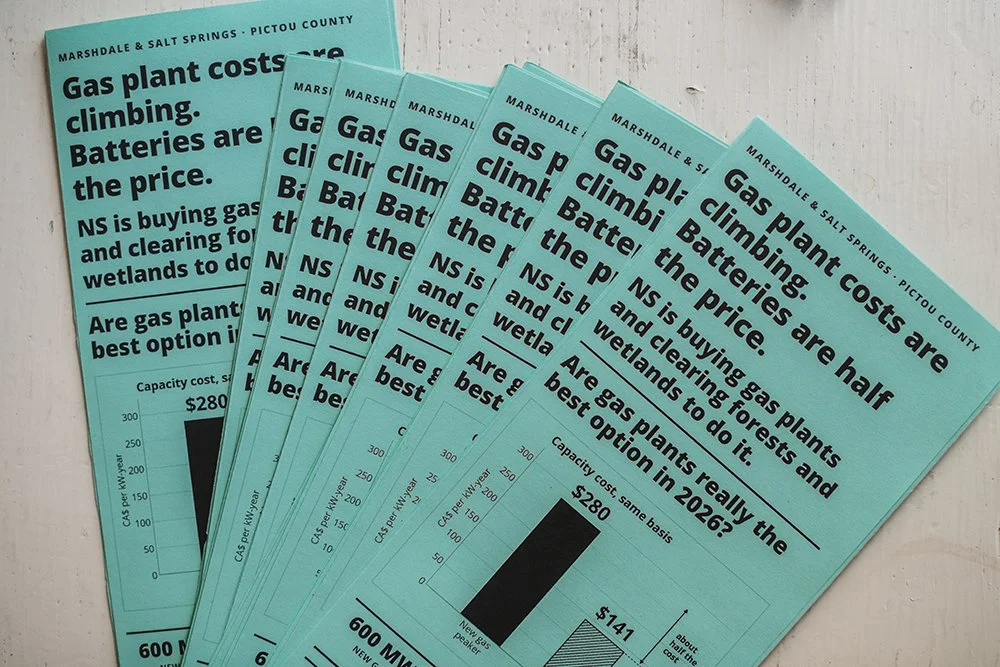
Are gas plants really the best option in 2026?
When we consider climate change, biodiversity loss, the destruction of wetlands and forests, concerns about Indigenous consultation, and increasingly viable alternatives like battery storage, the answer seems pretty clear. No. No, gas plants are not the best option for meeting our energy needs in 2026.
So why is the provincial government still barrelling ahead with plans to build two 300 MW methane-burning peaker plants in Salt Springs and Marshdale?
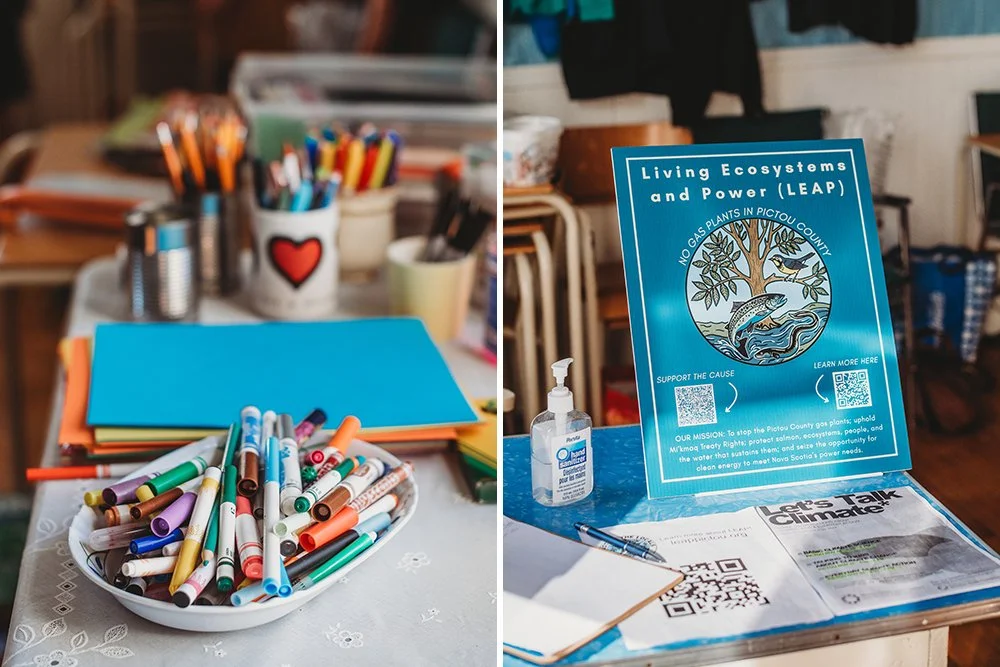
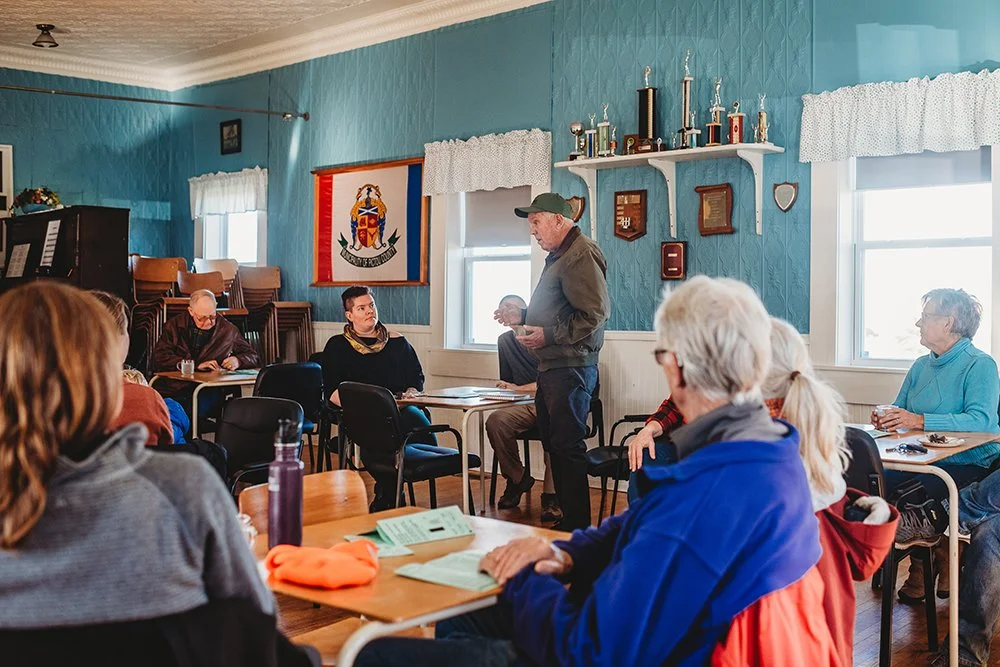
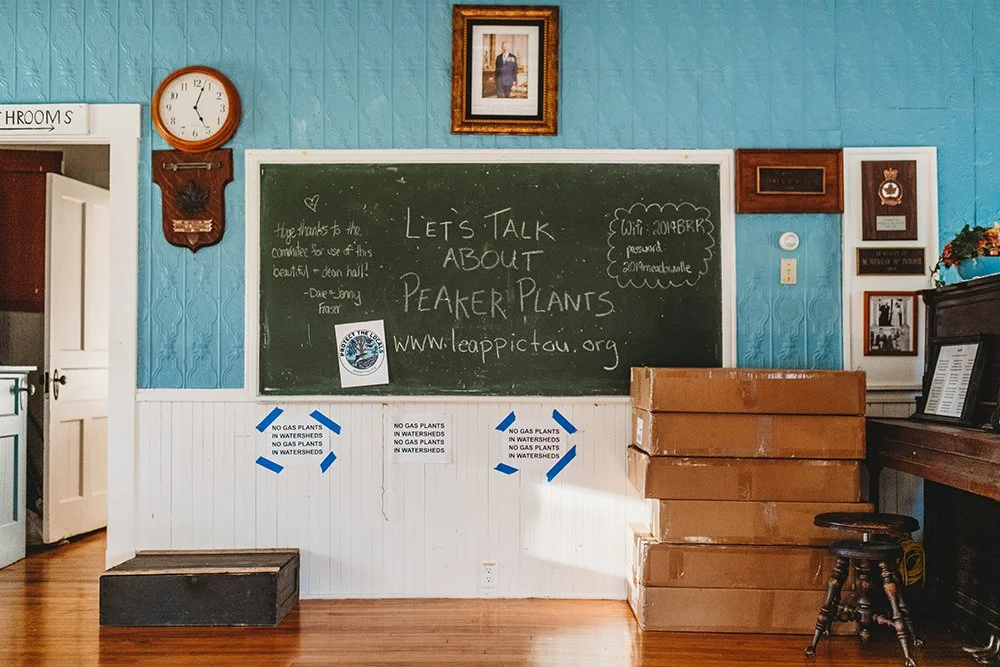
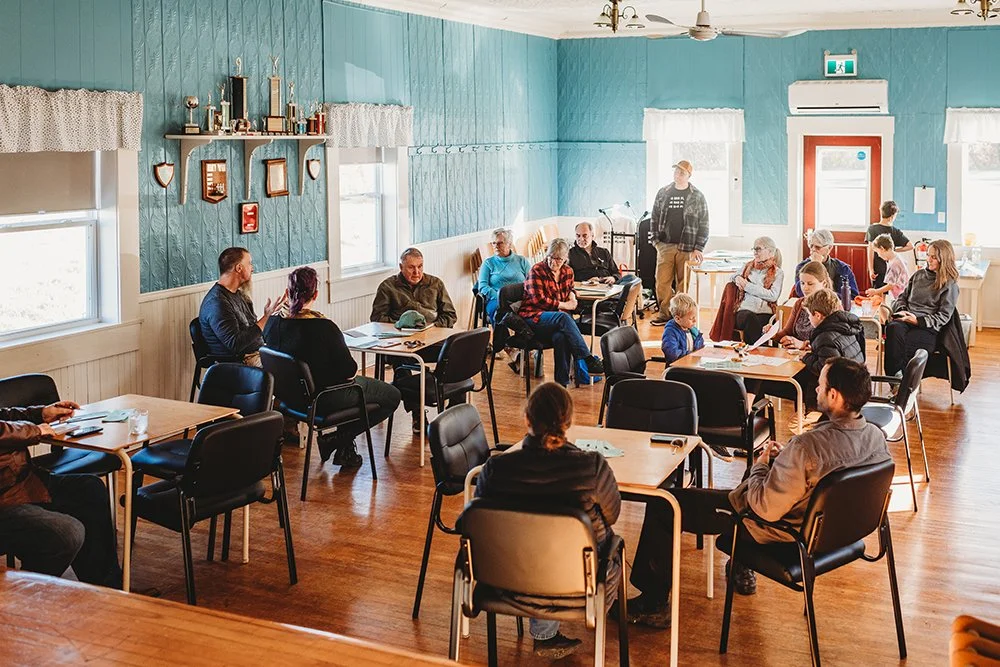
On Sunday, a group of concerned residents gathered at the Meadowville and Poplar Hill Community Hall to share concerns, discuss actions already taken, and learn more about what these plants could cost Nova Scotians over the next 25–30 years. (Coming soon to a power bill near you!)

Over tea and sweet treats, conversation turned to what comes next. How can we cast a wider net and encourage more people to get involved? How do we get Tim Houston's government to listen? Why exactly is the government insisting on building these plants and what are some truly viable alternatives?
There were questions, frustrations, and lots of ideas. Outside, kids played while inside, a renewed sense of energy was growing among neighbours who care deeply about the future of their community. As Warden Robert Parker reminded the room: "Don't underestimate the power of concerned citizens meeting in community halls. This is real democracy in action."
And that's exactly what Sunday felt like. At first glance, it might look unassuming. But it was real democracy unfolding over cups of tea in a little community hall in Pictou County.
We need more voices around the table. If you're concerned about the proposed gas plants in Salt Springs and Marshdale, now is the time to get involved. Follow LEAP, share this post, talk to your neighbours, and write your MLA.
Consider hosting an event at your own community hall. The cause is heavy, but there's joy to be found in gathering with neighbours over tea.